Pay‑Per‑Click Marketing in 2026: Strategies for Maximum ROI
Complete Guide to Pay‑Per‑Click Success
Pay‑Per‑Click (PPC) marketing remains one of the most powerful ways to drive targeted traffic, increase brand visibility, and deliver measurable ROI. In 2026, PPC continues to evolve — powered by AI, automation, omnichannel attribution, and smarter audience segmentation. This guide breaks down what PPC is, why it matters, and how to build effective campaigns that work in the modern digital landscape.
What Is PPC Marketing?
PPC (Pay‑Per‑Click) is a digital advertising model where you only pay when someone clicks your ad. Unlike organic search efforts that take time to rank, PPC ads can deliver instant visibility in search engines, social platforms, and other digital channels.
Platforms like Google Ads, Microsoft Ads, Meta (Facebook & Instagram), LinkedIn Ads, and even TikTok Ads offer PPC campaigns that target audiences based on keywords, demographics, interests, behaviors, and intent.
How PPC Works
At its core, PPC operates through an auction model:
-
Keyword or audience selection: Choose terms or user segments your ideal customers are searching for.
-
Bidding strategy: Set how much you’re willing to pay for each click (cost per click, CPC).
-
Ad relevance and quality: Platforms assess your ad’s relevance and landing page quality — often impacting your ranking and CPC.
-
Performance tracking: You pay only when users click your ad, and performance is measured through clicks, impressions, and conversions.
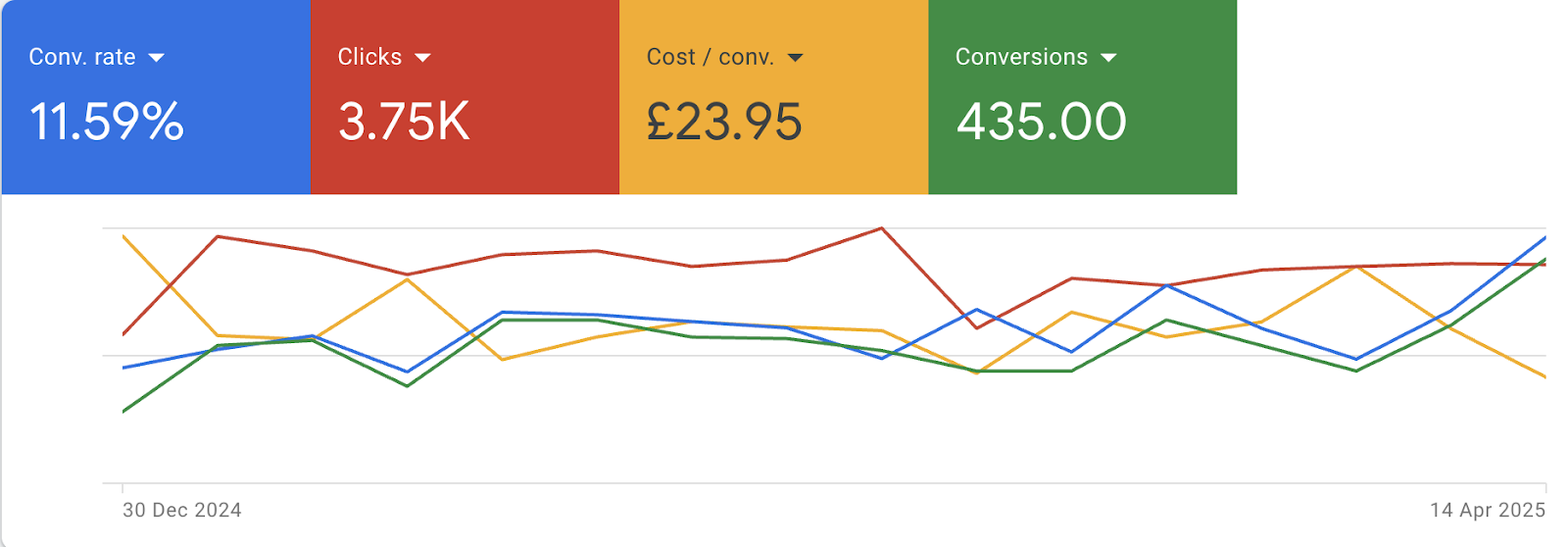
PPC provides precise audience targeting, budget control, and real‑time results measurement — making it a staple for brands of all sizes.
Why PPC Still Matters in 2026
Even as organic strategies like SEO grow in importance, PPC remains essential because it:
-
Drives instant traffic and leads, unlike SEO which builds over time.
-
Offers measurable ROI with detailed analytics on clicks, conversions, and revenue.
-
Targets high‑intent users ready to buy (especially search ads).
-
Supports omnichannel marketing, from search to social to marketplace ads.
Top PPC Trends Shaping 2026
PPC continues to evolve, and the campaigns that succeed in 2026 leverage the latest trends in digital advertising:
1. AI‑Powered Automation Is Standard
Artificial intelligence now powers bidding strategies, audience discovery, and conversion optimization — reducing manual work and improving campaign efficiency. PPC platforms like Google’s Performance Max use machine learning to automatically optimize bids and placements for the best results.
2. First‑Party Data Is Essential
With privacy regulations tightening and third‑party cookies declining, first‑party data — such as email lists, purchase history, and on‑site behavior — becomes critical for precise audience targeting and campaign personalization.
3. Video and Visual Search Ads Are Growing
Video ads, especially short‑form ones on platforms like YouTube, TikTok, Facebook and Instagram, help capture attention and drive engagement. Visual search — where users search using images — also opens new PPC opportunities.
4. Cross‑Channel and Omnichannel PPC
PPC isn’t limited to one platform. Successful strategies in 2026 will integrate search, social, display, and marketplace ads into a cohesive omnichannel approach — tracking the customer journey across touchpoints.
5. Conversational and Voice Search Optimization
Voice search is rising with smart assistants. PPC strategies now target longer, conversational keywords that match voice queries, helping ads align with how users naturally speak and search.
6. Creative Personalization and Dynamic Ads
Dynamic creative optimization allows PPC ads to change headlines, visuals, and CTAs based on viewers’ behavior or audience segments — increasing relevance and performance.
Building a Successful PPC Strategy in 2026
Here’s a step‑by‑step framework to help you make the most of your PPC efforts:
1. Set Clear Goals & KPIs
Define what you want from your PPC campaigns: traffic, leads, sales, or brand awareness. Align your budget and metrics with those goals.
2. Do Thorough Keyword & Audience Research
Identify keywords that reflect user intent — especially long‑tail and conversational phrases. Segment audiences to tailor messages effectively.
3. Optimize Landing Pages
A strong PPC strategy is only as good as its landing pages. Ensure fast loading times, clear messaging, strong CTAs, and relevance to the ad content.
4. Use Smart Bidding & Automation
Leverage AI‑driven bidding strategies to adjust spend in real time based on performance signals.
5. Monitor, Test & Iterate
Continuously analyze your data, run A/B tests on ad creatives and landing pages, and refine your approach to boost ROI.
Common PPC Mistakes to Avoid
-
Ignoring first‑party data: Relying on outdated audience signals can reduce targeting precision.
-
Skipping video and visual formats: Text‑only ads are less effective in modern feeds.
-
Not tracking attribution properly: Without omnichannel tracking, you miss understanding the full customer journey.
PPC Platforms to Consider
-
Google Ads: Search, Display, Shopping, and YouTube ads
-
Microsoft Ads (Bing): Search advertising on the Bing network
-
Meta Ads: Facebook and Instagram paid campaigns
-
LinkedIn Ads: B2B targeting and professional audiences
-
TikTok Ads: Short‑form video campaigns
-
Marketplace PPC: Amazon/Walmart sponsored ads
Each platform offers unique targeting and creative options — choose based on where your audience spends time.
Final Thoughts
PPC marketing remains a critical part of digital strategy in 2026 due to its precision, measurability, and flexibility. By embracing AI, prioritizing first‑party data, expanding into video and omnichannel ads, and continually optimizing performance, brands can drive targeted traffic, improve ROI, and stay ahead in a competitive landscape.